
The Best Handgun Ammo for Self-Defense, Target Practice, and Stopping Power in 2025
A single .45 ACP round can generate over 11,000 pounds per square Rimfire Ammo for Sale inch of pressure the instant it fires, yet it still fits in your palm. That pressure shoves the bullet down the barrel while the spent case ejects, all in milliseconds. With the right grain weight and bullet shape, you can tune for deep penetration or rapid expansion, depending on what you need. Matching your ammo to your handgun’s barrel twist is the fastest way to tighten accuracy without changing your aim.
Choosing the Right Cartridge for Your Sidearm
Picking the right handgun ammo starts with matching the cartridge to your sidearm’s intended job. For concealed carry, a 9mm Luger strikes the best balance between magazine capacity and manageable recoil, while .45 ACP offers more stopping power for those who prioritize terminal performance over round count. Don’t overlook .380 ACP for micro pistols, but accept its lower velocity. For target practice, choose a lighter bullet weight that cycles your slide reliably, then switch to a bonded hollow point for defensive loads. Always verify the cartridge’s pressure rating Ammunition for Sale matches your barrel’s length; a shorter barrel can reduce bullet expansion velocity by over 100 feet per second, so test your chosen ammo through your actual sidearm to confirm point-of-impact and feeding reliability.
Why Bullet Weight Matters More Than You Think
Bullet weight dictates felt recoil and muzzle flip management, directly influencing your split times and follow-up shot accuracy under stress. A heavier 147-grain 9mm round cycles the slide slower, reducing perceived snap but requiring a firmer grip during rapid fire. Conversely, a 115-grain load snaps quicker, potentially unlocking faster slide velocity for reliability in suppressed or competition guns but amplifying muzzle rise. Weight also changes point of impact at defensive distances; a 124-grain bullet typically shoots closer to factory sights than a 135-grain or 90-grain option. Furthermore, penetration depth—critical for stopping threats through barriers—varies by weight, as heavier projectiles retain momentum better through clothing and glass. Your firearm’s barrel twist rate and recoil spring stiffness are tuned for a specific weight range; ignoring this causes malfunctions or erratic accuracy.
Full Metal Jacket vs. Hollow Points: What’s the Real Difference?
The core distinction between Full Metal Jacket (FMJ) and hollow points lies in terminal behavior. An FMJ’s lead core is fully encased in copper, so it retains its shape, penetrates deeply, and creates a clean wound channel—ideal for inexpensive range practice and target shooting. A hollow point, by contrast, features a cavity in its nose; upon striking soft tissue, that cavity forces the bullet to expand rapidly, increasing diameter and transferring more energy. This expansion is specifically engineered for self-defense, 7mm WSM Ammo for Sale as it reduces the risk of over-penetration while maximizing stopping power. Therefore, the real difference is practical: FMJs are for training, while hollow points are for personal protection.
FMJ offers deep, unexpanded penetration 6.5 Creedmoor Ammo for Sale for practice; hollow points expand on impact to stop threats with less over-penetration.
Matching the Caliber to Your Shooting Goals
Your shooting goals dictate the cartridge, not the other way around. For competitive precision, a lighter-recoiling caliber like 9mm allows faster follow-up shots and tighter groupings during extended range sessions. For defensive carry, prioritize a round with proven penetration and expansion, such as .40 S&W or .45 ACP, which offer more stopping power at the cost of control. If you’re a beginner focused on fundamentals, a low-recoil .380 or 9mm is ideal to build accuracy without flinching. Conversely, for hunting or outdoor protection, a heavier hard-cast bullet in 10mm delivers the necessary energy. Matching your caliber to your primary use-case prevents wasted practice and ensures reliable performance when it matters.
Q: Should I choose a caliber based on my skill level or my intended use?
A: Prioritize intended use first—self-defense demands a different energy profile than target shooting—then select a variant within that caliber, like a lighter load, that matches your current skill to maintain manageable recoil and consistent accuracy.
Understanding Performance on the Range and in the Field
Understanding performance on the range and in the field hinges on matching your handgun ammo to the actual job, not just paper targets. A load that prints tight groups at 15 yards may lack the penetration needed for a live animal, while a heavy-for-caliber bullet that crushes bone can shoot low if your gun is zeroed with lighter range fodder. You must test your defensive or hunting ammo at every distance and angle you expect to encounter, including barrier shots and off-hand positions.
The only valid proof of performance is firing that exact cartridge from your exact barrel under field conditions—not trusting factory chart numbers.
Track point-of-impact shifts and velocity consistency; range drills with one load teach you nothing if you carry another. Commit to one premium load, practice with it exclusively, and your shot placement will translate predictably from the bench to the bush.
How to Read Velocity and Energy Numbers Without Getting Lost
When scanning handgun ammo, treat velocity and energy as a paired story, not isolated stats. Velocity, in feet per second, primarily dictates your bullet’s trajectory—how flat it shoots at 25 yards. Energy, in foot-pounds, reveals terminal punch but is a calculated byproduct of speed and bullet weight. Don’t chase maximum numbers; instead, compare loads within the same caliber to see the real trade-off. A lighter, faster bullet may feel snappier and drop less, while a heavier, slower one transfers energy more steadily. Focus on the velocity-to-energy balance for your intended distance. Check the barrel length used in the 7mm-08 Ammo for Sale test data—a 4-inch barrel loses 50–100 fps versus a 5-inch, making numbers look misleading if ignored. If energy exceeds 400 ft-lbs in a defensive load, you’re prioritizing penetration; below 250 ft-lbs, expect limited expansion.
Recoil Management: Finding the Load You Can Actually Control
Recoil management begins with honest self-assessment, not chasing the heaviest load. A cartridge that snaps your wrists or blurs your front sight is a liability, regardless of its ballistics. Instead, prioritize a load where the muzzle returns naturally to your line of sight after each shot, allowing rapid, accurate follow-ups. Start with a standard-pressure load and gradually test heavier options, monitoring your group dispersion and split times. Selecting a controllable handgun load enhances both speed and precision. To choose correctly:
- Fire five-shot groups from a rest to isolate pure accuracy.
- Then shoot the same load standing, focusing on muzzle rise and sight recovery.
- Finally, time your follow-up shots on a silhouette; any hesitation signals excessive recoil.
The right load is the one you can place precisely, round after round, without flinching.
Accuracy Secrets Hidden in Bullet Shape and Grain
The most overlooked accuracy variable in handgun ammo is the interplay between bullet shape and grain weight. A flat-nosed profile, for instance, creates a shorter overall cartridge length, which reduces the Shotgun Ammo for Sale jump to the rifling and tightens shot groups in many semi-autos. Heavier grain bullets, like 147-grain 9mm loads, often feature a longer bearing surface that grips the lands more consistently, improving stability at subsonic velocities. Conversely, lighter, round-nose bullets may yaw if the barrel twist rate doesn’t match their length. Always test your firearm’s preferred seating depth—a bullet that’s too long or too short changes chamber pressure, directly shifting your point of impact.
Q: Why does a lighter grain bullet sometimes group worse than a heavier one from the same gun?
A: Lighter grains typically have a shorter bearing surface, so they can fail to align with the rifling consistently, especially if your barrel has a slower twist rate—this micro-yaw, not wind, is what opens up your groups.
Getting the Most from Your Practice Sessions

To get the most from your practice sessions, treat every round of handgun ammo as a data point, not just noise. Shoot consistent shot groups at a fixed distance to isolate your flinch or trigger jerk, rather than blasting through boxes. Mix defensive ammunition with your cheaper training loads, since point of impact often shifts between bullet weights or velocities. Always finish a session with five slow, perfectly aimed shots from the holster to reinforce fundamentals under fatigue. Track your hits on paper targets—if you’re just punching holes without diagnosing why two rounds stray low-left, you’re wasting both time and ammo investment. Alternate between strong-hand, weak-hand, and two-handed grips using the same magazine of handgun ammo to expose grip weaknesses. Finally, count your rounds against a defined drill, not a timer’s rush; precision before speed builds the muscle memory that makes every later session more productive.
How Much Ammo You Need to Build Real Proficiency
To build real proficiency, plan on roughly **500 to 1,000 rounds per month** if you’re training deliberately—not just blasting. That volume lets you reinforce grip, trigger control, and sight alignment until they become automatic. Fewer than 200 rounds a month will mostly maintain existing skills, not grow them. For a solid accuracy baseline, shoot 50 slow, precise shots per session, then add 100 reps of dry-fire at home for every live round. *The real breakthrough happens when you track your misses and adjust your drills, not just when you hit a round count.*
Q: How much ammo do you actually 6.5 PRC Ammo for Sale need to see meaningful improvement?
A: For most shooters, 300–500 rounds a week, split into two or three focused sessions, creates visible progress in about six weeks. Quality of feedback matters more than sheer quantity.
Blending Budget Rounds with Premium Defensive Loads
To maximize trigger time without burning through costly carry ammunition, blend budget rounds with premium defensive loads in every session. Shoot two magazines of inexpensive ball ammo to lock in grip, sight alignment, and recoil management, then finish with one magazine of your defensive hollow points. This sequence ingrains the manual of arms while confirming your premium rounds feed, cycle, and impact at the same point of aim. Always alternate: cheap rounds for volume, expensive rounds for confidence. Never shoot only budget ammo, as you’ll miss crucial reliability checks; never shoot only premium ammo, as you’ll shortchange reps.
| Budget Rounds | Premium Defensive Loads |
|---|---|
| High volume, low cost | Low volume, high cost |
| Builds muscle memory | Validates feeding and accuracy |
| Practice draws and transitions | Confirms point-of-impact shift |
Simple Drills That Show You Exactly How Your Ammo Behaves

To truly understand your defensive or target loads, run a **fixed-distance accuracy drill** at 10 yards, firing five-shot groups from a rested position. This isolates the ammunition’s inherent precision from your shooting wobble, revealing flyers or inconsistent primers. Next, perform a **chronograph drill** with a shooting timer that measures velocity; this shows real-world muzzle energy and how consistently your powder burns. Finally, do a **zero confirmation drill** at 25 yards, firing three rounds at a single bullseye with your carry ammo—if the point of impact shifts from your practice loads, your sights are off. These drills expose pressure spikes, weak recoil springs, or bullet weight sensitivity before they matter.
- Rested five-shot groups at 10 yards expose vertical stringing from weak charges.
- Timed velocity tests reveal extreme spread (ES) and standard deviation (SD) for load consistency.
- Three-round zero checks at 25 yards confirm your ammo’s point of aim Handgun Ammo for Sale matches point of impact.
Reliability, Storage, and Keeping Your Rounds Ready
Keeping your handgun ammo reliable starts with how you store it—toss loose rounds in a damp range bag and you’re begging for corrosion or dents that cause feed failures. Seal ammo in its original box or a dry, airtight container with a desiccant pack, and avoid extreme temperature swings; that preserves primer sensitivity and case dimensions. For your carry ammo, rotate it every few months—shoot the older rounds at the range and reload fresh ones, since constant chambering can set the bullet back into the case, risking pressure spikes. A quick visual check of each round before loading catches cracks or primer issues. **Q: How often should I check stored ammo?** A: Every six months, just to confirm no green crust or loose bullets. Keep a dedicated mag loaded, but cycle it weekly to prevent spring fatigue—ready means tested, not just tucked away.
Does Your Firearm Actually Like the Ammo You’re Feeding It?
Your handgun’s feed ramp, extractor tension, and recoil spring weight all respond differently to bullet shape and case length, so a box that cycles flawlessly in one gun can jam stubbornly in yours. Chamber pressure variations between brands of the same grain weight alter slide velocity, which means your firearm may prefer a hotter load for reliable ejection or a softer one for consistent feeding. Test at least 200 rounds of a single lot before trusting it for carry, and watch for stovepipes, nose-dives, or failure to return to battery. Even the finish on a case mouth—smooth brass versus rough nickel—can tip the balance when your slide is moving fast. A gun that shuns one hollow point may devour another identical in spec, so commit only after the cyclic rate feels crisp and the spent casings land in a tight cluster.
Your firearm’s real preference is revealed only through live-fire testing—match the ammo’s pressure profile and geometry to your gun’s mechanical nuances, then verify with a hundred-plus rounds before you rely on it.
How to Store Your Rounds to Prevent Misfires and Corrosion
To keep your handgun ammo dependable, proper storage prevents moisture-induced misfires by blocking the biggest enemy: humidity. First, seal rounds in airtight ammo cans with desiccant packs to absorb residual moisture. Second, maintain a stable, cool environment—below 75°F—since temperature swings cause condensation inside primers and cases. Third, avoid storing loose rounds in fabric pouches or leather, which wick atmospheric dampness. Finally, rotate your oldest stock to the range every six months, keeping only fresh, corrosion-free cartridges Rifle Ammo for Sale in reserve. Rotating your supply ensures you never fire compromised rounds. Follow this sequence: dry, seal, cool, rotate—and your handgun will digest flawless, potent ammunition every time.
Signs Your Ammo Has Gone Bad and When to Throw It Out
Visible corrosion, verdigris, or pitting on the brass case or primer is your first red flag, as these compromise the seal and pressure integrity. Deep-set dents, especially on the case mouth or shoulder, can cause feeding failures or chambering issues. If primers sit proud or appear flattened, the round has been pressure-exposed and is unsafe. Damp or oil-soaked primers often indicate moisture ingress, which degrades the compound. For signs your ammo has gone bad and when to throw it out, rely on the “tarnish test”: if a cotton swab wipes green or black residue, discard the lot. Ammo stored over five years in temperature swings, or any round specialty sports that fails a chamber check, should be disposed of immediately—never fire questionable handgun ammunition.
Common Questions About Performance and Safety
Common questions about handgun ammo performance center on stopping power versus over-penetration. A hollow point expands reliably in soft tissue, but may under-penetrate through heavy clothing, while full metal jacket rounds penetrate deeper but create narrower wound channels. Velocity and bullet weight directly affect felt recoil and muzzle rise, influencing follow-up shot speed, not just terminal effect. Safety concerns often involve ammunition stored in magazines for extended periods; spring fatigue is rare, but check for bullet setback after repeated chambering, as this can spike pressure. Using the exact load your firearm’s manufacturer tested is safer than assuming any similar grain weight will perform identically. Always verify that your ammunition matches the caliber stamped on the barrel, and inspect for cracked primers or loose bullets before loading—these are the most common avoidable malfunctions. Carry ammo should be rotated out periodically, and never mix different brands in one magazine, as pressure differences can cause erratic feeding.
Can You Use the Same Rounds for Self-Defense and Target Practice?
Technically, you can fire the same rounds for both self-defense and target practice, but you shouldn’t. Dedicated practice ammunition uses full metal jacket (FMJ) bullets, which are cheaper and feed reliably, but they lack the expansion needed for stopping a threat. Defensive rounds, like hollow points, expand on impact, but their premium cost and occasional feed issues make them wasteful for routine drills. However, you must fire a box of your defensive loads through your actual carry gun to verify zeroing and function—that’s non-negotiable. Beyond that, reserve them for carry and use FMJ for volume shooting, saving money while ensuring your self-defense ammo stays pristine.
You can use the same rounds, but it’s impractical and costly—use FMJ for practice and hollow points for carry.
What’s the Deal with +P and +P+ Loads?
So, what’s the deal with +P and +P+ loads? Simply put, these are handgun cartridges loaded to higher pressure than standard spec, which boosts velocity and energy. The catch is that +P and +P+ ammunition increases recoil and accelerates barrel wear, so you shouldn’t blast it daily at the range. For carry, a few rounds of +P are fine in modern guns, but +P+ has no official industry standard—it’s a wildcard that can batter your firearm. Always check your manual; if it doesn’t say “+P approved,” stick to standard pressure. The extra punch is only worth it if your gun handles it comfortably.
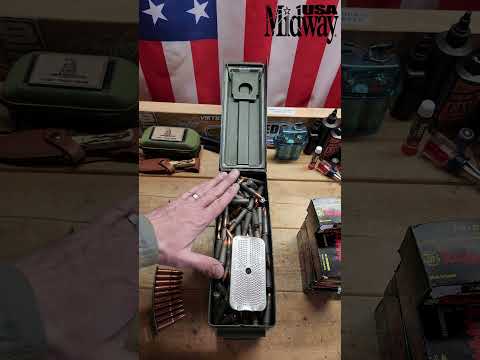
- +P runs about 10% hotter than normal; +P+ is even hotter but unregulated.
- Use +P/+P+ for defense, not practice, to limit frame stress.
- Revolvers and full-size pistols handle +P better than compact or older models.
How to Fix Misfeeds and Jams Caused by Picky Cartridges

When a handgun suffers misfeeds due to picky cartridges, first verify the ammunition’s overall length and bullet profile, as blunt-nosed or overly long rounds often snag on the feed ramp. Polish the feed ramp with a felt tip and metal polish to reduce friction, but avoid altering the barrel’s critical dimensions. Test different magazine brands, since weak or worn springs fail to position the top round correctly for a reliable cartridge feed angle. If jams persist, try a hotter load with more recoil, which forces the slide fully rearward for a stronger strip, and ensure the extractor isn’t too tight. Finally, clean the chamber and use snap caps to cycle-check the fix before loading live rounds.